Q&A: Do You Need a PhD to Read Your Closing Documents? The Three Pages That Matter
October 20, 2026
The short version
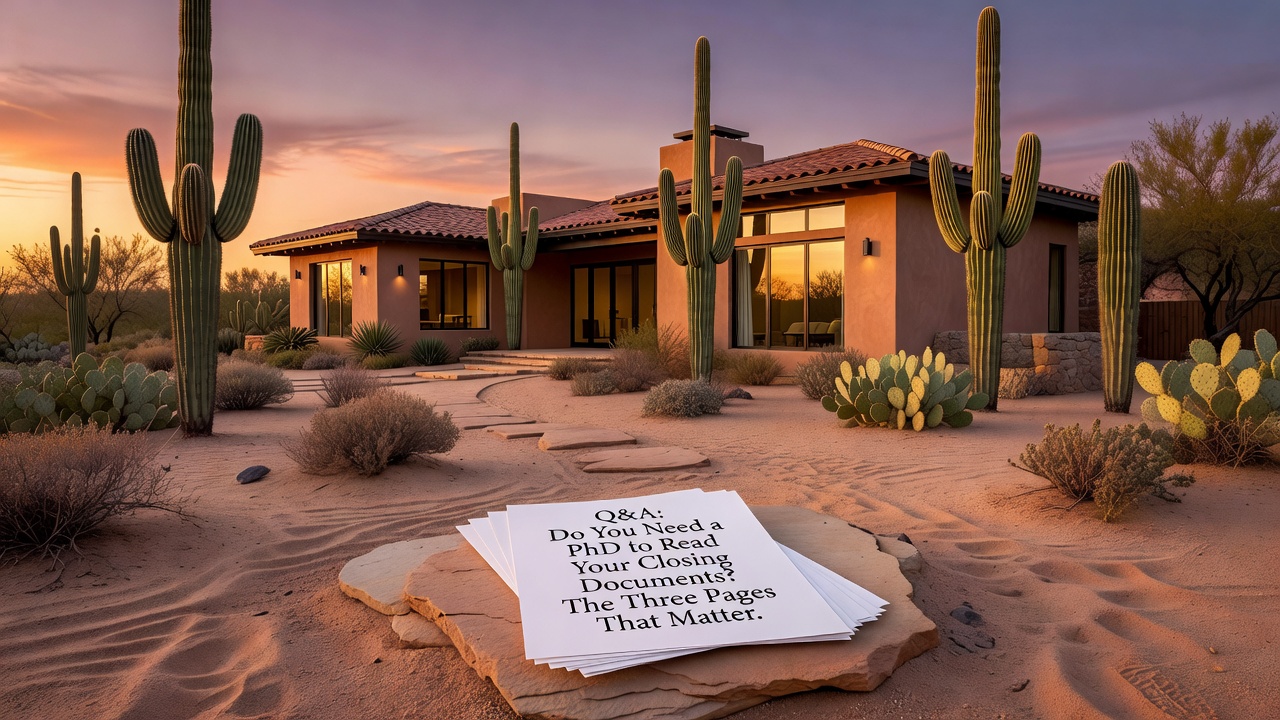
This question comes up at nearly every signing table, usually as a joke that is not entirely a joke. The closing package on a financed purchase can run past a hundred pages, and a buyer who has never seen one feels like they are being asked to sign a textbook. Here is the plain version: you do not need a PhD. You need to know which three documents carry the weight, and you need to read those three slowly.
The first is the Closing Disclosure. This is the lender's final statement of your loan: the amount, the rate, the monthly payment, the escrow for taxes and insurance, and the cash you bring to close. Your lender delivers it before closing day so you have time to read it. Put it next to the Loan Estimate you received when you applied and compare them line by line. Most differences are routine, but you want to know about every one before you sign, not after.
The second is the settlement statement. Think of it as the receipt for the whole transaction. It lists every charge and credit on both sides: purchase price, earnest money already paid, prorated property taxes, HOA transfer fees, title and escrow charges, recording fees, and any seller credits you negotiated. Check that the credits you asked for during the inspection period actually show up. Check that the numbers match the Closing Disclosure.
The third is the deed. It is short, and it is the document that actually transfers ownership. Confirm the legal description, the spelling of the names, and how you are taking title. How you hold title has legal and tax consequences, and that is a question for an attorney or a tax professional, not for the signing table.
Everything else in the stack matters, but most of it is standard: the note, the deed of trust, affidavits, disclosures, and acknowledgments. Ask the escrow officer to tell you what each one does in one sentence as you go. A good one will.
What trips people up is trying to read every page at the same speed. Spend your attention where the money and the ownership live. Ask for the Closing Disclosure and the settlement statement a day or two ahead, review them at home, and bring your questions to the table. Loan questions go to your lender. Contract and title questions go to an attorney.
Nobody needs a doctorate to close on a house. They need the right three pages and enough time to read them.
This is general information, not legal or tax advice.
Start your search here: https://www.previewarizonahomes.com/?utm_source=blog_pah&utm_medium=marketing&utm_campaign=daily
Jon Hegreness, REALTOR / Associate Broker, Howe Realty
(623) 826-0888 / JonHegreness@gmail.com / License BR540940000
9059 W Lake Pleasant Pkwy, B-200, Peoria, AZ 85382
previewarizonahomes.com
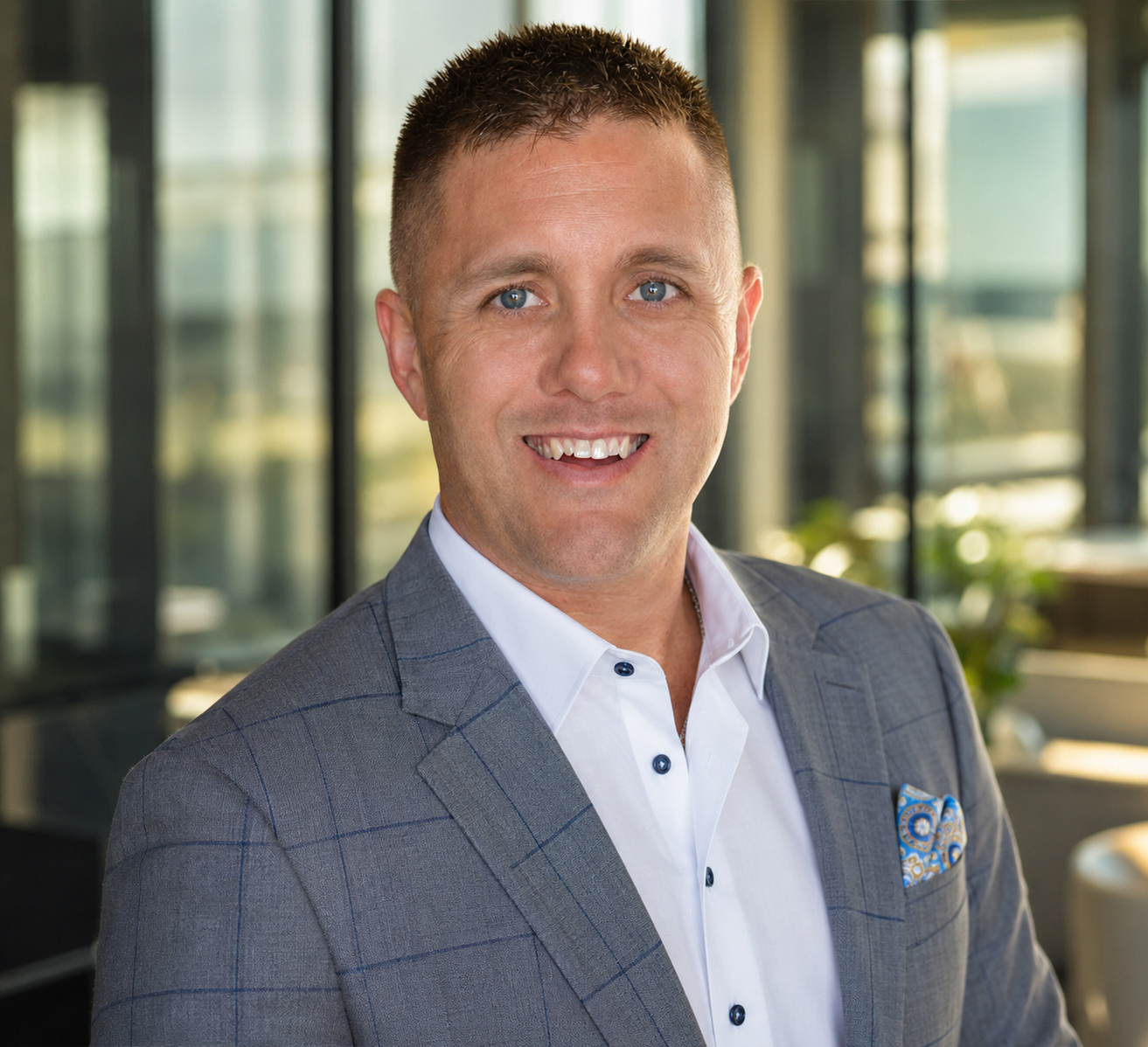
Jon Hegreness
REALTOR / Associate Broker · Howe Realty
AZ License BR540940000
Full-time Phoenix North Valley REALTOR and Associate Broker with 24 years in Arizona residential real estate. A negotiator and problem solver who works the way you would want a friend in the business to work: direct, on your side, and steady through the parts that get complicated.